




 Many children often experience a broken ankle at some point in their growing years. When the ankle is injured, it may be difficult to differentiate between a break and a sprain. It’s important to take note of any swelling, pain, and general discomfort in addition to where it’s located. Any uncomfortable sensation occurring at the joint or surrounding tissue may be indicative of a sprain. An obvious sign of a broken ankle is a deformity of the bone, generally resulting from having endured a fall. Your child may experience several symptoms of a broken foot, including the inability to stand as a result of the pain and bruising that appears around the affected area. A proper diagnosis generally consists of having an X-ray performed to determine the severity of the break. If you think your child has broken their foot, please schedule a consultation with a podiatrist for proper treatment options.
A broken foot requires immediate medical attention and treatment. If you need your feet checked, contact Dr. Amy Dunetz from Florida. Our doctors can provide the care you need to keep you pain-free and on your feet.
Broken Foot Causes, Symptoms, and Treatment
A broken foot is caused by one of the bones in the foot typically breaking when bended, crushed, or stretched beyond its natural capabilities. Usually the location of the fracture indicates how the break occurred, whether it was through an object, fall, or any other type of injury.
Common Symptoms of Broken Feet:
Those that suspect they have a broken foot shoot seek urgent medical attention where a medical professional could diagnose the severity.
Treatment for broken bones varies depending on the cause, severity and location. Some will require the use of splints, casts or crutches while others could even involve surgery to repair the broken bones. Personal care includes the use of ice and keeping the foot stabilized and elevated.
If you have any questions, please feel free to contact one of our offices located in Aventura and Davie, FL . We offer the newest diagnostic and treatment technologies for all your foot care needs.
 There are several ailments that may develop concerning the feet when obesity exists. When the body endures additional weight, it’s common to experience blisters, cracked skin on the heels, ankle sprains, and athlete’s foot. Many injuries occur because of damage inflicted on the soft tissue, so it’s important that the feet are protected during daily activities. This may consist of choosing to wear thick socks that serves as insulation against any friction. Pain and discomfort in the feet makes it difficult to exercise, and it often inhibits the desire to stay active. Diabetes can often develop as a result of being overweight, and it’s suggested that checkups of the feet are done regularly to aid in controlling this condition. Please consider scheduling a consultation with a podiatrist for additional information on how obesity can affect the feet
Obesity has become very problematic at this point in time and can have extremely negative effects on the feet. If you’re an obese individual and are concerned about your feet, contact Dr. Amy Dunetz from Florida. Our doctors can provide the care you need to keep you pain-free and on your feet.
Obesity and Your Feet
Since your feet are what support your entire weight when standing, any additional weight can result in pain and swelling. Being overweight is one of the main contributors to foot complications.
Problems & Complications
Extra Weight – Even putting on just a few extra pounds could create serious complications for your feet. As your weight increases, your balance and body will shift, creating new stresses on your feet. This uneven weight distribution can cause pain, even while doing the simplest tasks, such as walking.
Diabetes – People who are overweight are at serious risk of developing type-2 diabetes, which has a drastic impact on the health of your feet. As you get older, your diabetes might worsen, which could lead to loss of feeling in your feet, sores, and bruises. You could also become more prone to various infections.
Plantar fasciitis – Pressure and stress that is placed on muscles, joints, and tendons can trigger plantar fasciitis, which is an inflammation of tissue that forms along the bottom of the foot.
If you have any questions, please feel free to contact one of our offices located in Aventura and Davie, FL . We offer the newest diagnostic and treatment technologies for all your foot care needs.

Your feet are covered most of the day. If you're diabetic, periodic screening is important for good health. Numbness is often a sign of diabetic foot and can mask a sore or wound.
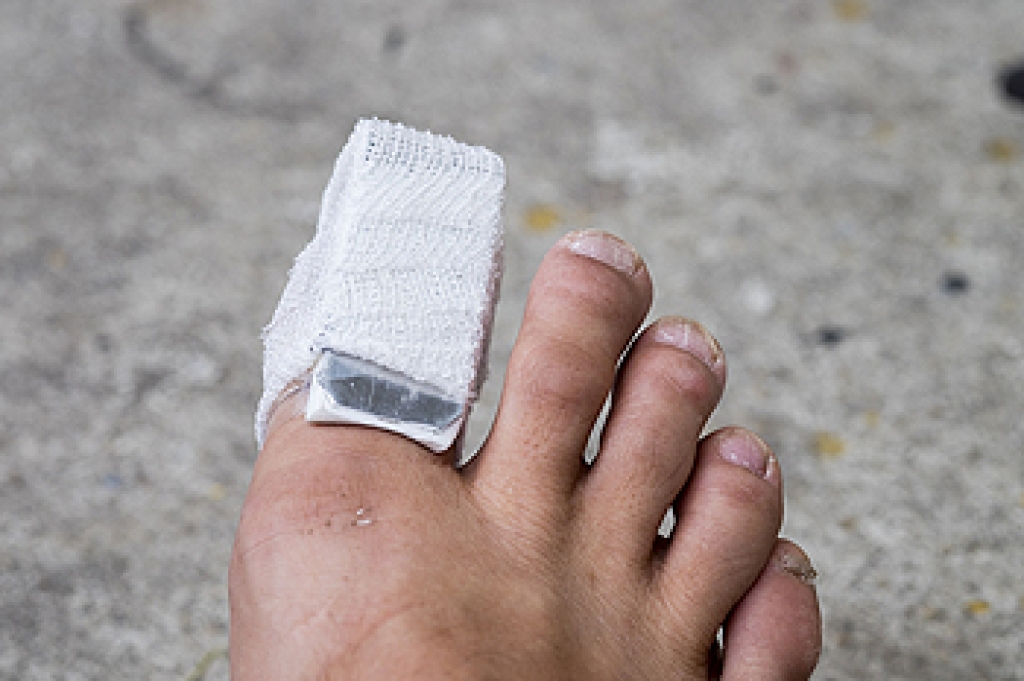
If you’ve stubbed your toe or dropped a heavy object on it, you may experience what is referred to as a broken toe. Common symptoms of the condition may include bruising, swelling, and extreme pain when the toe is moved. If the injury is severe, there may be a popping sound that occurs, indicative of the toe breaking. Typically, a proper diagnosis includes having an X-ray performed, and this will determine to what extent the toe is broken or dislocated. Treatment may consist of stabilizing the toe by taping it to the toe next to it, after placing soft cushioning between these toes. Surgery may be a necessary treatment option if the break is severe. Please consider scheduling a consultation with a podiatrist for additional information about broken toes.
A broken toe can be very painful and lead to complications if not properly fixed. If you have any concerns about your feet, contact Dr. Amy Dunetz from Florida. Our doctors will treat your foot and ankle needs.
What to Know About a Broken Toe
Although most people try to avoid foot trauma such as banging, stubbing, or dropping heavy objects on their feet, the unfortunate fact is that it is a common occurrence. Given the fact that toes are positioned in front of the feet, they typically sustain the brunt of such trauma. When trauma occurs to a toe, the result can be a painful break (fracture).
Symptoms of a Broken Toe
Generally, it is best to stay off of the injured toe with the affected foot elevated.
Severe toe fractures may be treated with a splint, cast, and in some cases, minor surgery. Due to its position and the pressure it endures with daily activity, future complications can occur if the big toe is not properly treated.
If you have any questions, please feel free to contact one of our offices located in Aventura and Davie, FL . We offer the newest diagnostic and treatment technologies for all your foot care needs.


