


Your feet are covered most of the day. If you're diabetic, periodic screening is important for good health. Numbness is often a sign of diabetic foot and can mask a sore or wound.


Your feet are covered most of the day. If you're diabetic, periodic screening is important for good health. Numbness is often a sign of diabetic foot and can mask a sore or wound.
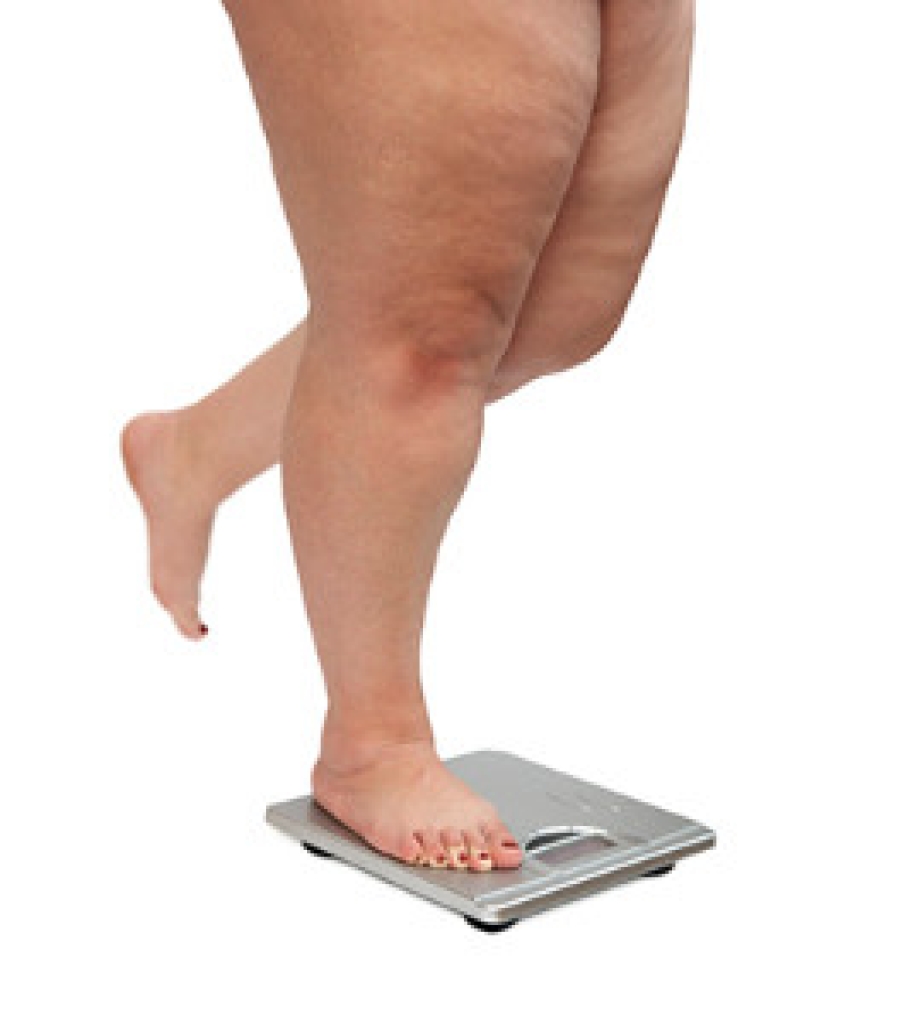 Recent research has shown that approximately 70 percent of the population in the Bahamas are obese. This typically impacts the general health of the feet as a result of the additional weight the feet must endure. An increased BMI, or body mass index, generally accompanies any weight that is gained. This may produce unwanted foot conditions that may include plantar fasciitis, tendonitis, arthritis and general “wear and tear” of the bones, ligaments, and tendons. Additionally, the structure of the foot may be negatively affected, which may aid in difficulty maintaining an exercise program. While purchasing shoes, it’s important to choose shoes that fit correctly, which may help to diminish a portion of the pain that may be experienced. If you feel you are obese and would like additional information about this condition on how it may affect the feet, please consult with a podiatrist.
Obesity has become very problematic at this point in time and can have extremely negative effects on the feet. If you’re an obese individual and are concerned about your feet, contact Dr. Amy Dunetz from Florida. Our doctors can provide the care you need to keep you pain-free and on your feet.
Obesity and Your Feet
Since your feet are what support your entire weight when standing, any additional weight can result in pain and swelling. Being overweight is one of the main contributors to foot complications.
Problems & Complications
Extra Weight – Even putting on just a few extra pounds could create serious complications for your feet. As your weight increases, your balance and body will shift, creating new stresses on your feet. This uneven weight distribution can cause pain, even while doing the simplest tasks, such as walking.
Diabetes – People who are overweight are at serious risk of developing type-2 diabetes, which has a drastic impact on the health of your feet. As you get older, your diabetes might worsen, which could lead to loss of feeling in your feet, sores, and bruises. You could also become more prone to various infections.
Plantar fasciitis – Pressure and stress that is placed on muscles, joints, and tendons can trigger plantar fasciitis, which is an inflammation of tissue that forms along the bottom of the foot.
If you have any questions, please feel free to contact one of our offices located in Aventura and Davie, FL . We offer the newest diagnostic and treatment technologies for all your foot care needs.
 When a child is born, the feet are often comprised of flexible and soft cartilage, and the bones will eventually harden as the teenage years approach. Research has shown there are three basic foot shapes, and this will typically become evident when the child reaches two years old. A square foot shape consists of all the toes being the same length, while a rounded shape occurs when the big toe is shorter than the second or third toe. Additionally, if the big toe is the longest of all the toes, this is known as a tapered shape. Your child will benefit by spending the majority of the day without shoes on, and this will make it easier to strengthen and exercise the feet. Shoes will become a necessity when outdoor walking begins and this will enable the feet to adapt to different surfaces. When buying a first pair of shoes for your child, it may be beneficial to choose shoes that are constructed with flexible, non-slip soles, in addition to being lightweight. Please consult with a podiatrist for additional information on how to properly care for your child’s feet.
The health of a child’s feet is vital to their overall well-being. If you have any questions regarding foot health, contact Dr. Amy Dunetz of Florida. Our doctors can provide the care you need to keep you pain-free and on your feet.
Tips for Keeping Children's Feet Healthy
If you have any questions, please feel free to contact one of our offices located in Aventura and Davie, FL . We offer the newest diagnostic and treatment technologies for all your foot care needs.

You don't need an excuse to have beautiful nails. Step outside without worrying about the appearance of your feet.
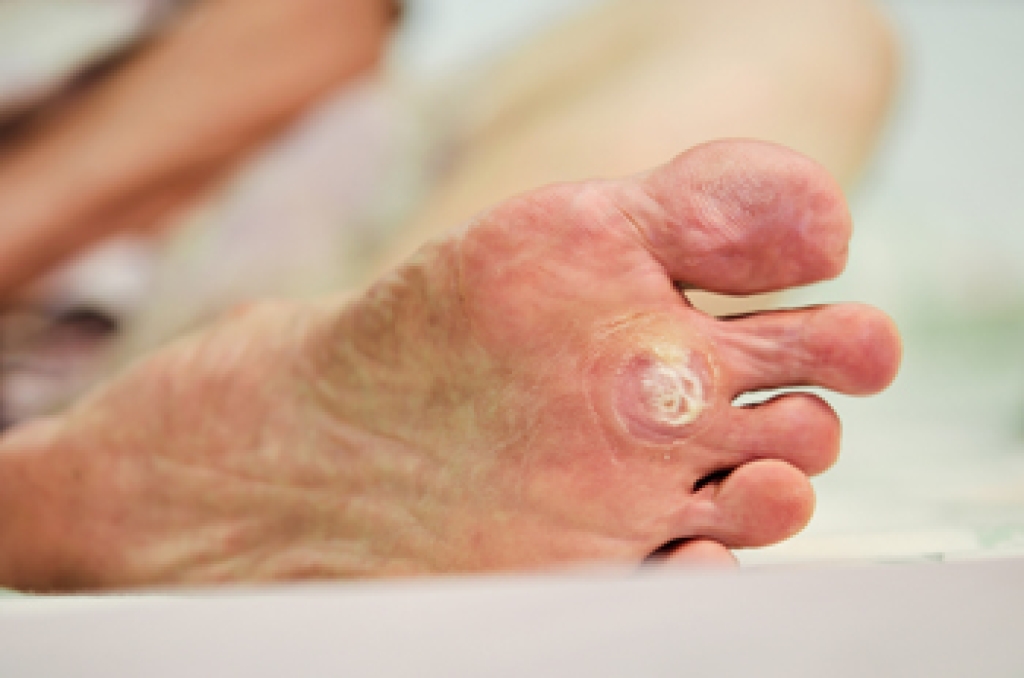 If you should develop a plantar wart, you may often be aware of the pain and discomfort that is associated with it. They are typically common warts, and form on the heel of the foot. The pain may be at it’s worse in the morning after rising, and may often feel like pieces of glass that have lodged in your heel. Research has shown that plantar warts originate from the human papillomavirus, and often lives and thrives in warm and moist places that may include locker and shower room floors, pools, and surrounding areas. It can typically enter the body thru small cracks in the sole of the foot and prevention of this virus may be accomplished by wearing appropriate shoes, while in these areas. There are several noticeable symptoms associated with this ailment, including a small and hardened round area appearing on the heel of the foot, possibly with black dots occupying the center. If you have developed a plantar wart, it’s suggested to seek counsel from a podiatrist as quickly as possible to begin the best course of treatment.
Plantar warts can be very uncomfortable. If you need your feet checked, contact Dr. Amy Dunetz from Florida. Our doctors will assist you with all of your foot and ankle needs.
About Plantar Warts
Plantar warts are the result of HPV, or human papillomavirus, getting into open wounds on the feet. They are mostly found on the heels or balls of the feet.
While plantar warts are generally harmless, those experiencing excessive pain or those suffering from diabetes or a compromised immune system require immediate medical care. Plantar warts are easily diagnosed, usually through scraping off a bit of rough skin or by getting a biopsy.
Symptoms
Treatment
To help prevent developing plantar warts, avoid walking barefoot over abrasive surfaces that can cause cuts or wounds for HPV to get into. Avoiding direct contact with other warts, as well as not picking or rubbing existing warts, can help prevent the further spread of plantar warts. However, if you think you have developed plantar warts, speak to your podiatrist. He or she can diagnose the warts on your feet and recommend the appropriate treatment options.
If you have any questions, please feel free to contact one of our offices located in Aventura and Davie, FL . We offer the newest diagnostic and treatment technologies for all your foot care needs.


